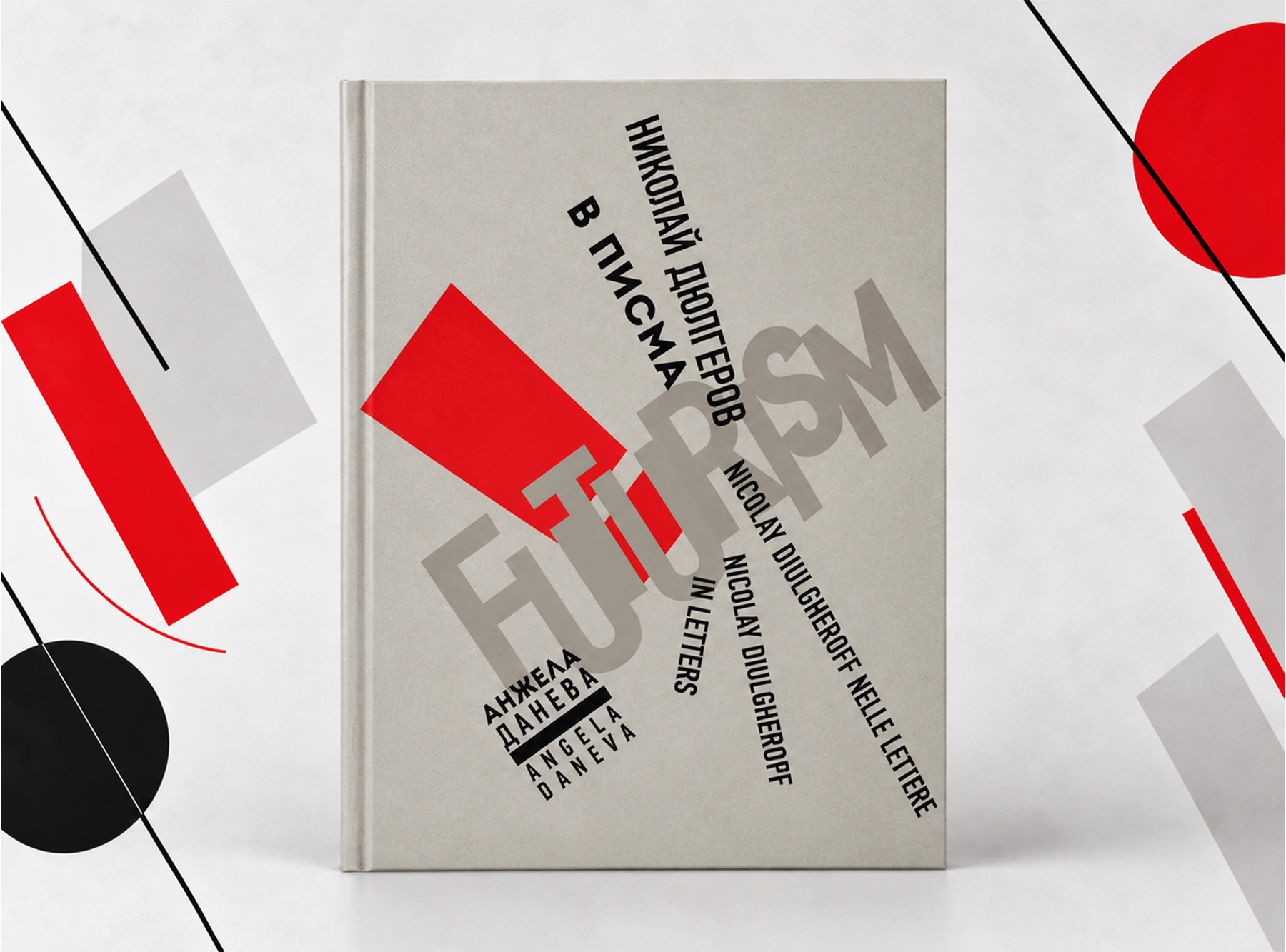
Данева, Анжела (ed.). (2026) Николай Дюлгеров в писма / съставител, научен редактор, въведение Анжела Данева ; уводни думи Георги Текев, Мария Маца = Nicolay Diulgheroff nelle lettere / responsabile scientifica dell'edizione, autrice dell'introduzione Angela Daneva = Nicolay Diulgheroff in letters / editor, autor of the introduction Angela Daneva. Нов български университет, София. ISBN 9786192334253
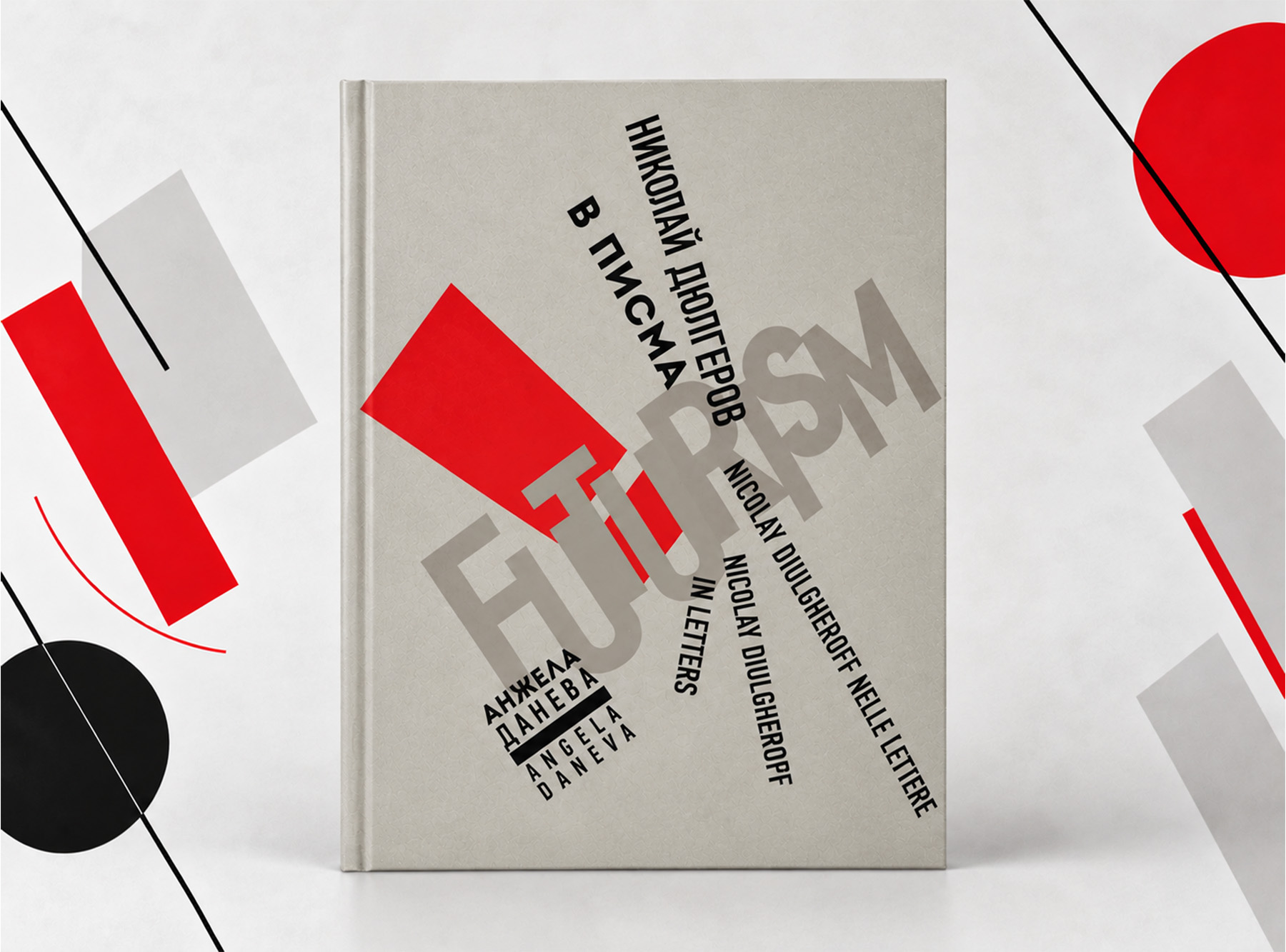 |
Image (JPEG) (Корица)
1-2.jpg - Published Version 342kB |
 |
PDF (Съдържание)
297184.pdf - Published Version 51kB |
Abstract
Изданието Николай Дюлгеров в писма следва подхода на критическото публикуване на архивни документи и има за цел да въведе в научно обръщение непубликувана кореспонденция на художника и архитекта Николай Дюлгеров (1901–1982) – една от най-значимите фигури на българския и европейския модернизъм, чието творчество и дейност са предмет на отделни изследвания, но все още не са разгледани в тяхната цялост и взаимовръзка.
Книгата представлява критическо научно издание, основано на епистоларен корпус и архивни материали, допълнени с оригинален авторски анализ, насочен към реконструкцията на културната и професионалната мрежа на българските и италианските модернисти през първата половина на ХХ век. Чрез анализ на личната кореспонденция на Дюлгеров се проследяват процесите на изграждане на неговата идентичност като творец, преподавател и културен посредник между България и Италия. Задачата на изследването е двупосочна: от една страна – да се създаде достоверен корпус от архивни извори, а от друга – чрез анализ на личната кореспонденция да се извлекат нови данни и интерпретации, които да допълнят и разширят представата за личността и творчеството на Дюлгеров в контекста на европейския авангард.
Кореспонденцията обхваща 57 писма, съхранявани в Централния държавен архив в София и в личния архив на Тулио д’Албисола в Италия. Писмата са транскрибирани и подредени хронологично. Всяко от тях е представено на български, италиански и английски език, като преводите са направени непосредствено от оригинала. В транскрипциите са запазени авторският правопис, лексикалните и граматичните особености на текста. С оглед на четивността са нормализирани пунктуацията и употребата на главни и малки букви, без намеса в смисъла и индивидуалния изказ на автора. Към писмата са добавени кратки пояснителни бележки за споменати личности. Изследването прилага историко-критически и сравнителен метод, който свързва анализа на езиковите и стиловите особености с културно-историческото тълкуване на контекста, в който писмата са създадени. Този подход позволява да се проследят промените в изразността, реториката и тематичните акценти на кореспонденцията, чрез които се очертава развитието на естетическите възгледи на Дюлгеров: от ранните му търсения, белязани от академична чувствителност и носталгия към родното, до зрелия футуристичен период, когато формулира идеите си за синтез между изкуство, архитектура и индустриален дизайн. Кореспонденцията разкрива и постепенното му утвърждаване в средите на италианския футуризъм, както и отношенията му с Ф. Т. Маринети, Филиa, Енрико Прамполини и Тулио д’Албисола.
Публикуваните писма разкриват нови данни за взаимоотношенията на Дюлгеров с ключови български художници – Асен Василиев, Иван Ненов, Владимир Димитров-Майстора, Кирил Цонев и др. За първи път се проследява индиректно и динамиката на неговия диалог с италианските авангардисти, а също начина, по който се изгражда неговата идентичност като „български футурист“ – фигура на границата между национално и универсално. Изданието се вписва в съвременните научни усилия за преосмисляне на мястото на България в европейската културна география на ХХ век. Писмата на Николай Дюлгеров представляват не само документално свидетелство за неговата творческа биография, но и огледало на едно поколение, което търси равновесието между родната култура и европейската модерност. Те осветляват личните измерения на процеси, които обикновено се разглеждат само в естетическа или идеологическа перспектива. Изследването Николай Дюлгеров в писма е част от юбилейния проект „ВКУС И ФОРМУЛИ ЗА УТРЕ“ на Център „Българо-Европейски културни диалози“ и галерия „УниАрт“ в Нов български университет, реализиран в контекста на 125-годишнината от рождението на автора. Заглавието на проекта обединява двата полюса на личността на Николай Дюлгеров – чувствителността на художника към формата и вярата му, че изкуството може да променя. В проекта включихме реконструкция на футуристичната таверна „Сантопалато“1, участие на преподаватели и студенти от програмите по изкуства на Нов български университет с интерпретации на тема футуризъм. Този интердисциплинарен подход, едновременно архивен и интерпретативен, цели да провокира по-дълбок интерес към личността на първия и най-значим футурист в България – Николай Дюлгеров. Вярвам, че мястото му в европейската културна карта заслужава да бъде разчетено с по-голяма яснота и познатост у нас. Настоящото изследване е стъпка в тази посока – покана за по-внимателно вглеждане и по-дълбоко разбиране на контекста, в който този необикновен артист твори.
L’edizione Nicolay Diulgheroff nelle lettere segue l’approccio della pubblicazione critica di documenti d’archivio e ha lo scopo di introdurre nel circuito scientifico la corrispondenza inedita dell’artista e architetto Nicolay Diulgheroff (1901–1982), una delle figure più significative del modernismo bulgaro ed europeo, la cui opera e attività sono oggetto di studi separati, ma non sono ancora state esaminate nella loro interezza e interrelazione. Il libro è un’edizione scientifica critica, basata su un corpus epistolare e su materiali d’archivio, integrata da un’analisi originale dell’autrice, volta a ricostruire la rete culturale e professionale dei modernisti bulgari e italiani nella prima metà del XX secolo. Attraverso l’analisi della corrispondenza personale di Diulgheroff, vengono tracciati i processi di costruzione della sua identità di artista, insegnante e mediatore culturale tra la Bulgaria e l’Italia. Il compito della ricerca è duplice: da un lato, creare un corpus attendibile di fonti archivistiche e, dall’altro, attraverso l’analisi della corrispondenza personale, estrarre nuovi dati e interpretazioni che completino e amplino la comprensione della personalità e dell’opera di Diulgheroff nel contesto dell’avanguardia europea. La corrispondenza comprende 57 lettere conservate presso l’Archivio Centrale di Stato di Sofia e nell’archivio personale di Tullio d’Albisola in Italia. Le lettere sono state trascritte e disposte in ordine cronologico. Ciascuna è presentata in bulgaro, italiano e inglese; le traduzioni sono state realizzate direttamente dall’originale. Nelle trascrizioni sono stati conservati l’ortografia originale e gli aspetti lessicali e grammaticali della lingua dell’autore. Ai fini di una maggiore leggibilità, sono stati normalizzati la punteggiatura e l’uso delle lettere maiuscole e minuscole, senza alterare il significato né l’espressione individuale dell’autore. Le lettere sono corredate da brevi note esplicative sulle persone menzionate. Lo studio adotta un metodo storico-critico e comparativo, che coniuga l’analisi delle peculiarità linguistiche e stilistiche con l’interpretazione storico-culturale del contesto in cui le lettere furono scritte. Questo approccio consente di seguire i mutamenti nell’espressività, nella retorica e negli accenti tematici della corrispondenza, attraverso i quali si delinea l’evoluzione delle concezioni estetiche di Diulgheroff: dalle prime ricerche, segnate da una sensibilità accademica e dalla nostalgia per la terra natale, al periodo della piena maturità futurista, quando formula le proprie idee sulla sintesi tra arte, architettura e design industriale. La corrispondenza rivela inoltre il suo progressivo affermarsi negli ambienti del Futurismo italiano e i suoi rapporti con F. T. Marinetti, Fillìa, Enrico Prampolini e Tullio d’Albisola. Le lettere pubblicate rivelano nuovi dati sulle relazioni di Diulgheroff con importanti artisti bulgari quali Asen Vasiliev, Ivan Nenov, Vladimir Dimitrov-Maistora, Kiril Tsonev e altri. Per la prima volta viene tracciata indirettamente la dinamica del suo dialogo con gli avanguardisti italiani, nonché il modo in cui si costruisce la sua identità di «futurista bulgaro» – figura al confine tra il nazionale e l’universale. La pubblicazione si inserisce nel contesto degli attuali sforzi scientifici volti a ridefinire il ruolo della Bulgaria nella geografia culturale europea del XX secolo. Le lettere di Nicolay Diulgheroff non sono solo una testimonianza documentaria della sua biografia creativa, ma anche lo specchio di una generazione che cerca l’equilibrio tra la cultura natia e la modernità europea. Esse mettono in luce le dimensioni personali di processi che di solito vengono considerati solo in una prospettiva estetica o ideologica. Lo studio Nicolay Diulgheroff nelle lettere fa parte del progetto commemorativo GUSTO E FORMULE PER IL DOMANI della Fondazione Centro per i dialoghi culturali bulgaro-europei e della Galleria UniArt della Nuova Università Bulgara, realizzato nel contesto del 125° anniversario della nascita dell’autore. Il titolo del progetto unisce i due poli della personalità di Nicolay Diulgheroff:la sensibilità dell’artista verso la forma e la sua convinzione che l’arte possa cambiare le cose. Nel progetto è stata inclusa la ricostruzione della taverna futurista Santopalato1 , nonché la partecipazione di docenti e studenti dei programmi artistici della Nuova Università Bulgara con interpretazioni sul tema del futurismo. Questo approccio interdisciplinare, allo stesso tempo archivistico e interpretativo, mira a suscitare un interesse più profondo per la personalità del primo e più significativo futurista in Bulgaria – Nicolay Diulgheroff. Credo che il suo posto nella mappa culturale europea meriti di essere interpretato con maggiore chiarezza e notorietà nel nostro Paese. La presente ricerca è un passo in questa direzione: un invito a guardare con maggiore attenzione e a comprendere più a fondo il contesto in cui opera questo straordinario artista.
The publication Nicolay Diulgheroff in Letters follows the approach of the critical edition of archival documents and aims to bring into scholarly circulation the unpublished correspondence of the artist and architect Nicolay Diulgheroff (1901–1982)-one of the most significant figures of Bulgarian and European modernism, whose work and activities have been addressed in separate studies but have not yet been examined in their entirety and interrelations.
The book constitutes a critical scholarly edition based on an epistolary corpus and archival materials, supplemented by an original analysis by the author aimed at reconstructing the cultural and professional network of Bulgarian and Italian modernists in the first half of the twentieth century. Through an analysis of Diulgheroff’s personal correspondence, the formation of his identity as an artist, teacher and cultural mediator between Bulgaria and Italy is traced. The research pursues a twofold objective: on the one hand, to establish a reliable corpus of archival sources; on the other, to extract new data and interpretations from the analysis of personal correspondence that expand and refine our understanding of Diulgheroff’s personality and work within the context of the European avant-garde.
The correspondence comprises 57 letters held at the Central State Archives in Sofia and in Tullio d’Albisola’s personal archive in Italy. The letters have been transcribed and arranged chronologically. Each letter is presented in Bulgarian, Italian and English, with both translations made directly from the original. The transcriptions retain the author’s original spelling and the lexical and grammatical features of the texts. For ease of reading, punctuation and capitalisation have been normalised, without altering the meaning or the author’s individual mode of expression. The letters are accompanied by brief explanatory notes on the individuals mentioned. The study employs a historical-critical and comparative method, combining the analysis of linguistic and stylistic features with an interpretation of the historical and cultural context in which the letters were written. This approach makes it possible to trace changes in expression, rhetoric and thematic emphases across the correspondence. These changes reveal the development of Diulgheroff’s aesthetic views: from his early explorations, marked by an academic sensibility and nostalgia for his homeland, to his mature Futurist period, when he formulated his ideas on the synthesis of art, architecture and industrial design. The correspondence also shows how Diulgheroff gradually established himself within Italian Futurist circles and sheds light on his relations with F. T. Marinetti, Fillìa, Enrico Prampolini and Tullio d’Albisola. The published letters reveal new information about Diulgheroff’s relationships with key Bulgarian artists, including Asen Vasiliev, Ivan Nenov, Vladimir Dimitrov – The Master, Kiril Tsonev, and others. For the first time, the dynamics of his dialogue with Italian avant-garde figures are indirectly traced, as is the formation of his identity as a “Bulgarian futurist”–a figure situated at the intersection of the national and the universal.
The publication forms part of contemporary scholarly efforts to reconsider Bulgaria’s place within the European cultural geography of the twentieth century. Diulgheroff’s letters function not only as documentary evidence of his creative biography but also as a mirror of a generation seeking balance between native culture and European modernity. They illuminate the personal dimensions of processes that are most often examined solely from aesthetic or ideological perspectives. The study Nicolay Diulgheroff in Letters is part of the anniversary project “TASTE AND FORMULAS FOR TOMORROW”, organised by the Bulgarian–European Cultural Dialogues Centre and the UniArt Gallery at New Bulgarian University, and realised in the context of the 125th anniversary of the author’s birth. The title brings together two defining poles of Diulgheroff’s personality: the artist’s sensitivity to form and his conviction that art possesses transformative power. The project also included a reconstruction of the futurist tavern Santopalato1, as well as the participation of lecturers and students from the arts programmes at New Bulgarian University, who presented interpretations on the theme of futurism. This interdisciplinary approach-both archival and interpretative – aims to stimulate deeper interest in the personality of the Bulgaria’s first and foremost Futurist, Nicolay Diulgheroff. His place on the European cultural map, I believe, deserves to be understood with greater clarity and recognition in Bulgaria. The present study represents a step in this direction – an invitation to closer examination and a deeper understanding of the context in which this remarkable artist worked.
| Item Type: | Book |
|---|---|
| Subjects: | Arts.Fine and Decorative arts > History of arts Arts.Fine and Decorative arts > Paintings Arts.Fine and Decorative arts > Visual arts |
| ID Code: | 5252 |
| Deposited By: | Angela Daneva |
| Deposited On: | 06 Nov 2026 09:27 |
| Last Modified: | 06 Nov 2026 09:27 |
Repository Staff Only: item control page